
Related Stories
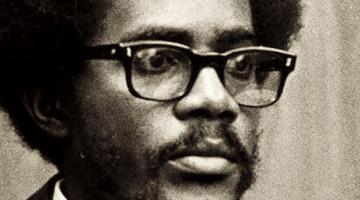
“any where or world where there is love there is the sky and its blue free
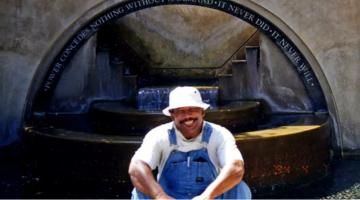
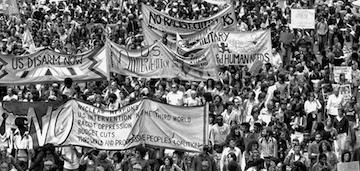
“I have come to you tonite not just for the stoppage

Love my Black Job—
Black Student Union Job!
Hired at L.A. City College
As “The Peoples Poet!”

Read against the terrible incineration of Rafah today, this poem of resistance and refusal, by Pa

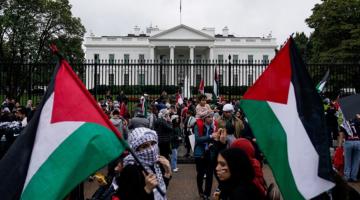
Palestinian poet Refaat Alareer, a martyr of zionist state genocidal violence, has left us with a tale of resistance and hope.

In this series, we ask acclaimed authors to answer five questions about their book.

Shangri-La—untaxed, socially-distanced champagne-
caviar, Cayman Island, yacht crowds who
More Stories
 The recently concluded summit meeting of so-called G7 nations revealed them once again to be nothing “but a cabal and gangsters” bent on “maintaining neocolonial rule” of the planet, said R
 “Finance capital doesn’t fund liberation movements,” said Dr Joy James, the Williams College Humanities professor who moderated a recent Accountability in Social Justice Movements
 Juneteenth has become the latest iteration of liberal capture of Black politics, opportunistic virtue signaling, and the intentional misrepresentation of America’s history.
 It is imperative for independent journalism to serve as the media arm of a movement that opposes the privatization of information and works toward the development of a public media apparatus.
 British colonial officials turned their guns on women in two Nigerian towns in the 1920s, to put down protests against “head” taxes and levies on market stalls, killing scores.



