
Related Stories
After a damning revelation eight years ago, state leaders changed the make-up of the Parole Board to combat inequality.
Assata Shakur exposes the conditions faced by incarcerated Black women in a powerful 1978 essay.

The US political elite and their elite press are using the fraudulent claims about a “crime wave” as an ideological offensive, a backlash, agai
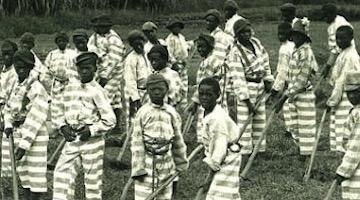
The ‘slavery clause’ made the passage of restrictions targeting Black people like the Black Codes possible as well as convict leasing of

Prison officials could have prevented sickness and death by releasing those who were most vulnerable to coronavirus and least likely to reoffend —

The same activists who are working to defund the police are also part of a collective movement to bring an end to neoliberal capitalism.

“Police can call you a gang member because they observed you with other gang members, who they declared gang members because they were with other g

Judges, prosecutors and sheriffs in many states sent people home instead of to jail last year, but new data suggests the change is not lasting.

The small world of prison food production is a microcosm of the American food system, which all too o#en functions as a race to the bottom.
After first being forced to live in chemically toxic communities, Black and Brown people are then incarcerated in jails where they cannot escape so
More Stories
 Poultry-processing plants are critical sites of racial capitalist accumulation produced through an unequal valuation of people and places.
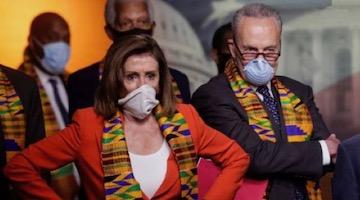 This week voting in November and the crisis of the Democratic Party was on your mind.
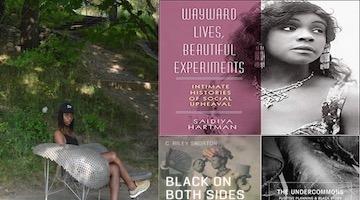 Required reading for black study and abolition: a syllabus for an abolitionista on the run. “Abolition requires an ongoing radical belief in the impossible.”
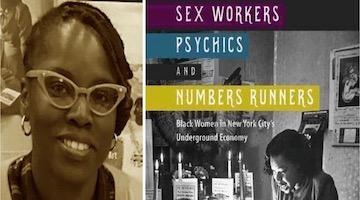 Underground labor allowed many women to sustain themselves and the people and religious institutions that they cared about.
 In a 1977 interview, the renowned Trinidadian writer, historian and socialist assessed the state of Black struggle in the Caribbean, the United States and Africa.



