
Related Stories
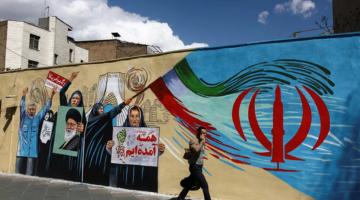
The Anti-Imperialist Scholars Collective (AISC) offers an analysis of the Ramadan War and the multiple fronts of Iranian anti- imperi
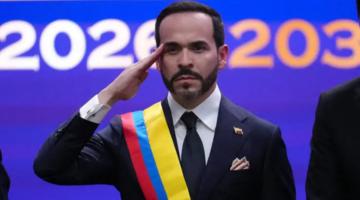
Colombia's new president has ties to paramilitaries and drug traffickers, but Trump's endorsement swept his crimes aside as he embraces Washing
The American's lawyers, led by Baltasar Garzón, denounce a "political persecution" by Trump for his support of Palestine.
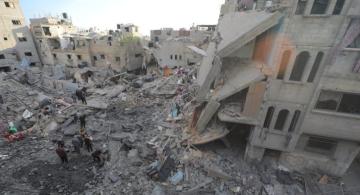
"Unlike the Zionist claim that 'Israel has a right to exist,' my assertion is rooted in international law.
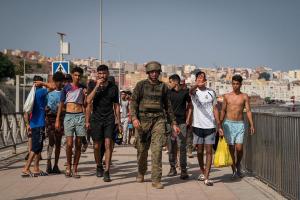
"Israel and Washington use Ceuta and Melilla to attack Spain for naming the genocide in Gaza.
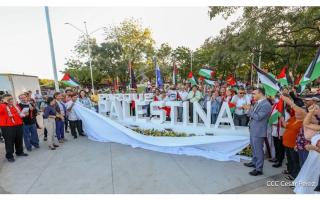
Against the backdrop of Israel’s renewed attacks on Palestine, the World Court is set to hold public hearings in Septembe
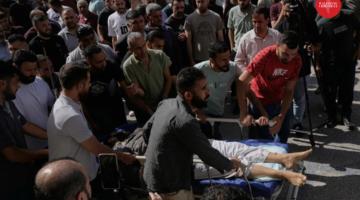
Palestinians have the right to defend themselves under international law and they exercised it in the town of Tell on the West Bank.
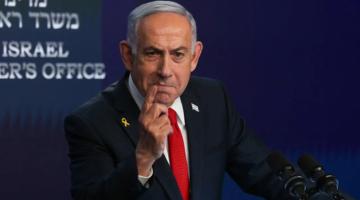
Free trade deals, water contracts, and military training programs are quietly binding one Latin American government after another to Tel Aviv.
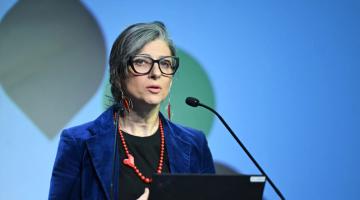
The human rights groups’ suit came as the Trump administration vowed to destroy the International Criminal Court entirely.
More Stories
 Data fail to show that bail restrictions or any other reform fueled the spike in violence during the pandemic – but facts don’t matter to the corporate press
 The US clearly intends to justify yet another armed intervention in Africa in order to reinstate its former proxies in Ethiopia
 Miami serves as a heightened case to explore such contradictions as I look closely at tensions between African Americans, white Cubans, and Black Cubans.
 In typical critical analyses and progressive multiracial mobilizations Black suffering is acknowledged while antiblackness is negated
 Historian Elizabeth Hinton’s book reveals that, in the late sixties and early seventies, there were hundreds of local rebellions against white violence and racial inequality.



