
Related Stories
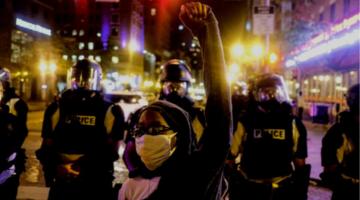
With the ritualistic murder of George Floyd by the occupation forces referred to as the police that roam the streets and barrios of the Black a

In this series, we ask acclaimed authors to answer five questions about their book.

The DC Crime Bill is a continuation of the assault on the Black working class, created to expand control over Black communities via surveillanc

In this series, we ask acclaimed authors to answer five questions about their book.
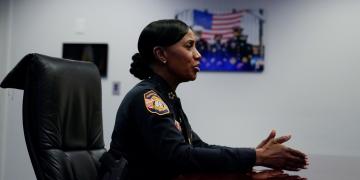
The chief of the Memphis, Tennessee police department took part in trainings in Israel.
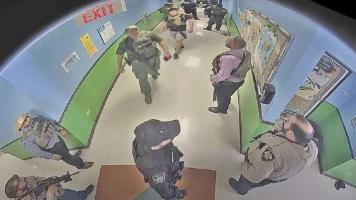
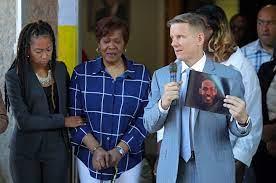
The number of bullets used to kill Jayland Walker have sparked an outcry, but police kill one Black person every day in this country.

BAR Book Forum editor Roberto Sirvent and Julian Akil Rose discuss community organizing, Black Queer Feminism, the struggle for police and

Police in the United States kill an average of three people every day and one of those persons will be Black.
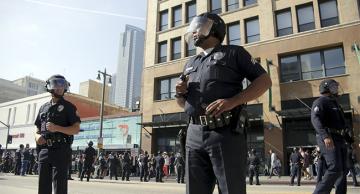
Surveillance is an integral part of policing in this country.
More Stories
 The political project we are invested in will require long term conviction and must be internationalist in its orientation.
 Police violence is tied to other agents in criminal law enforcement, including and especially prosecutors.
 You cannot separate the racist police aggression in the streets of the US and the racist US aggression against Venezuela, Bolivia, Afghanistan, Zimbabwe, Yemen, Libya and Syria.
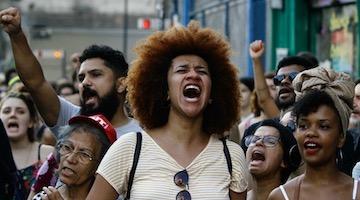 So-called “racial democracy” has systematically excluded and kept black people at the dirt end of the socioeconomic totem pole in Brazil, as reflected in its media.
 Land loss has plagued black America since emancipation – is it time to look again at ‘black commons’ and collective ownership?



