
Related Stories
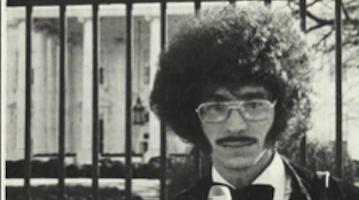
“It is clear that the availability of white money caused Black organizations to restructure themselves into fund-raising agencies.”

Reaching a 20th anniversary for Black Agenda Report is indeed a milestone.

"What would Glen Ford say?" That question is one which we often ask ourselves two years after his passing. Glen was extremely prescient,
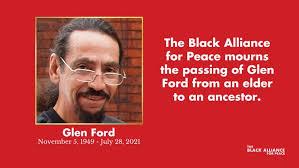
I was very proud to write the preface to Glen Ford's book, The Black

The compilation of Glen Ford's work, "The Black Agenda" was publ

Glen Ford reminded us that Black liberation cannot be found over a cheese plate and mimosas in a $6 million southern California mansion.

Glen Ford's legacy is recognized all over the nation. Japanese- American newspaper Rafu Shimpo printed this tribute to his work.

Ford was among the few journalists who took a stance for Black liberation and against imperialism.
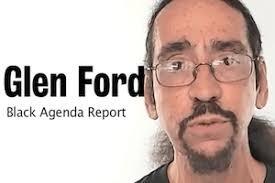
Glen Ford followed in the footsteps of another legendary Black journalist.
More Stories
 Wait! Call the Cream Team— Dershbag’s a lawyer, Slick Willy’s a lawyer— Wait! Before you suicide the accused Serial pedophile predator
 No matter how many Black people cops kill and abuse, corporate media amplify voices that shift victimhood onto the police force.
 Montgomery County officials thought no one would care about a “bunch of dead black folks.”
 This week readers raised some controversial questions. You discussed the Joe Biden campaign and attempts to present “queer” Muslims. We share your letters for “
 The author examines how ordinary workers in multiracial societies simultaneously challenged racism and their bosses.



