
Related Stories
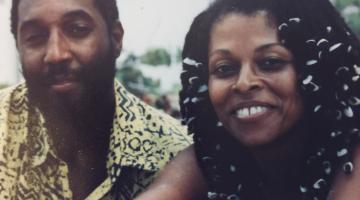
On May 30, 2026, a Celebration of the Life and Legacy of Assata Shakur was held at the Riverside Church in New York City.

“There is and always will be, until every Black man, woman, and child is free, a Black Liberation Army.”
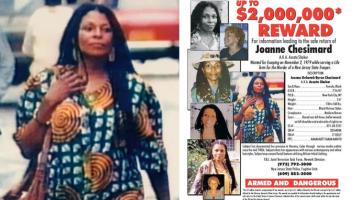
In 2013, Barack Obama and Attorney General Eric Holder declared Assata Shakur a Most Wanted Terrorist, placing a $2 million bounty on her head.

They called Assata Shakur a fugitive; we claim her as a compass.
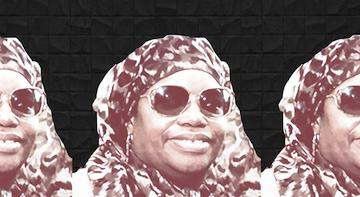
To commemorate Black August, read Safiya Bukhari's essay on political prisoners and political mov
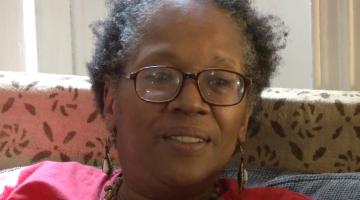
Joan Gibbs, long time civil rights attorney and activist, is remembered for her deep commitment to her community and for so
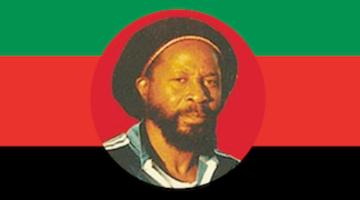
The late African revolutionary Sekou Odinga in his own words.
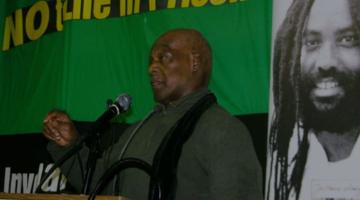
Ralph Poynter was a pioneer in the fight against white supremacy, oppression, and injustice around the world.
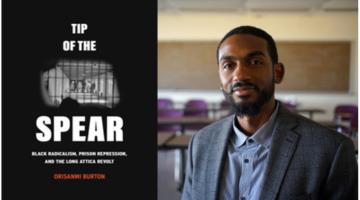
This week’s featured author is Orisanmi Burton
A letter commemorating George Jackson speaks to the origins of Black August.
More Stories
 Miami serves as a heightened case to explore such contradictions as I look closely at tensions between African Americans, white Cubans, and Black Cubans.
 In typical critical analyses and progressive multiracial mobilizations Black suffering is acknowledged while antiblackness is negated
 Historian Elizabeth Hinton’s book reveals that, in the late sixties and early seventies, there were hundreds of local rebellions against white violence and racial inequality.
 The U.S Has a long history of blaming Asian immigrants for outbreaks of disease, and every time, democracy and public health suffer.
 Prison officials could have prevented sickness and death by releasing those who were most vulnerable to coronavirus and least likely to reoffend — older incarcerated people.



