
Related Stories
On May 30, 2026, a Celebration of the Life and Legacy of Assata Shakur was held at the Riverside Church in New York City.

“There is and always will be, until every Black man, woman, and child is free, a Black Liberation Army.”

In 2013, Barack Obama and Attorney General Eric Holder declared Assata Shakur a Most Wanted Terrorist, placing a $2 million bounty on her head.

They called Assata Shakur a fugitive; we claim her as a compass.

To commemorate Black August, read Safiya Bukhari's essay on political prisoners and political mov
Joan Gibbs, long time civil rights attorney and activist, is remembered for her deep commitment to her community and for so
The late African revolutionary Sekou Odinga in his own words.
Ralph Poynter was a pioneer in the fight against white supremacy, oppression, and injustice around the world.

This week’s featured author is Orisanmi Burton
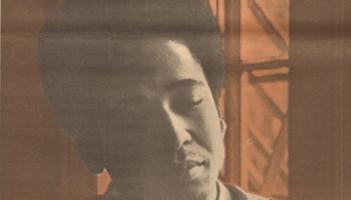
A letter commemorating George Jackson speaks to the origins of Black August.
More Stories
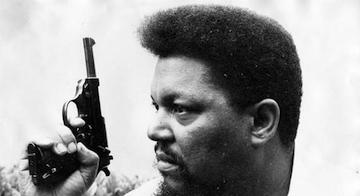 “Non-violence is a very potent weapon when the opponent is civilised, but non-violence is no match or repellent for a sadist.”
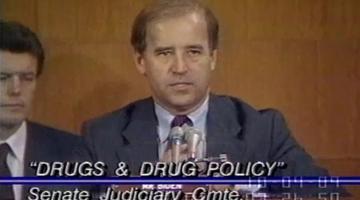 Joe Biden's pardon of his son, Hunter Biden, is viewed as hypocritical to people of color, yet given their experiences is unsurprising.
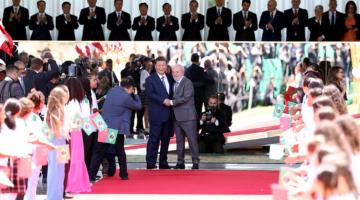 The United States is continuing its economic battle against China in South America. However, its influence in the region is in decline as nations seek alternatives in order to forestall U.S. hegemony.
 In this series, we ask acclaimed authors to answer five questions about their book. This week’s featured authors are Maya Schenwar and Kim Wilson.
 While genocide is a clear cause of the democrats' defeat, economic issues are usually mentioned. What lingers behind the significance of the “it’s the economy” narrative?



