
Related Stories

“...the science for revolutionary change…is forged by human persuasion and building social consciousness based on the class analysis

Even though the table’s tilted; the dice are loaded;and the cards are marked; even though light-fingered

On May 30, 2026, a Celebration of the Life and Legacy of Assata Shakur was held at the Riverside Church in New York City.

This piece was originally published in Black Agenda Report i
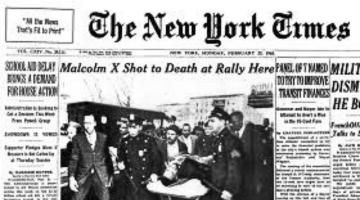
I.I awakened early that Sunday morning. Seized time fortalking, that Sunday morning. Time for connecting.

The conditions are ripe for growing Black political consciousness, but revolutionary movements must broaden their reach to all sectors and clas
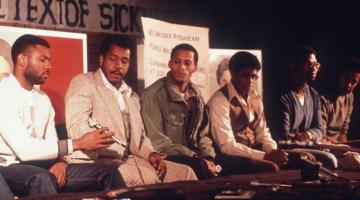
Black youth fed xenophobia instead of international solidarity become military pawns who risk their own lives and their people's libe
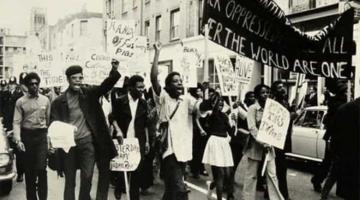
Africans in the U.S. must weaponize their position and sabotage imperial projects from the inside.

In this series, we ask acclaimed authors to answer five questions about their book.
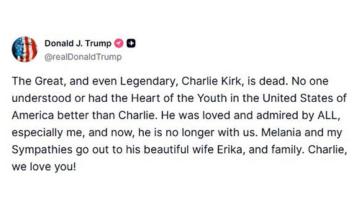
Charlie Kirk's assassination has become the pretext to accelerate a pre-existing fascist agenda, targeting a broad spectrum of forces, from lef
More Stories
 This week the New Cold War and political prisoners were on your mind.
 MOVE’s history is a reminder why police and prison abolition remain so urgent.
 Blackness is understood as always already criminal, and homonormative imagination is no different in this respect.
 The temporal-spatial convergence of the largest white city in amerikka, with the most persistent "BLM" protests and exceedingly white subcultures should not be dismissed as coincidence.
 “No excuses” teaching borrows from the “broken windows” theory of policing, which has been enacted in U.S. cities since the mid-1980s.



