
Related Stories

In this series, we ask acclaimed authors to answer five questions about their book.
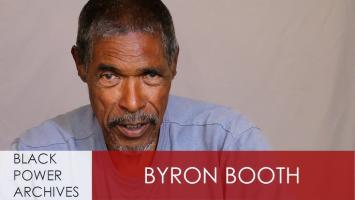
Former Black Panther Deputy Minister of Defense Byron Booth's journey from Compton to Cuba, Algiers to Lagos, reveals the global reac
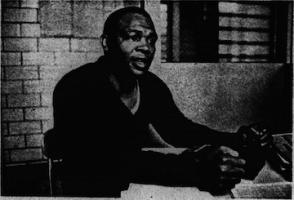
“I don't mean just in the struggles in these prisons. America is one whole concentration camp in and of itself.”
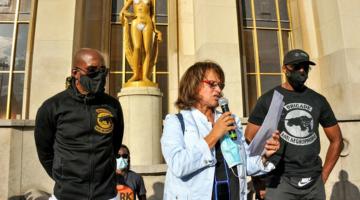
For Black August, Mireille Fanon Mendès-France sets the record straight on her father’s revolutionary legacy.
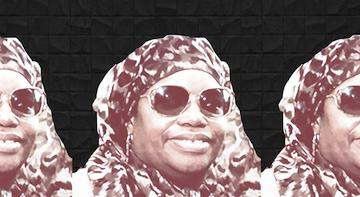
To commemorate Black August, read Safiya Bukhari's essay on political prisoners and political mov
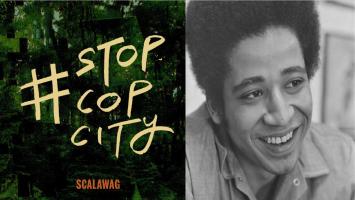
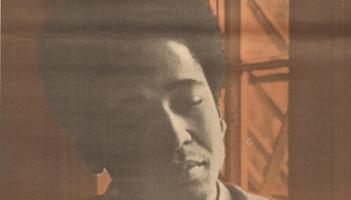
A letter commemorating George Jackson speaks to the origins of Black August.
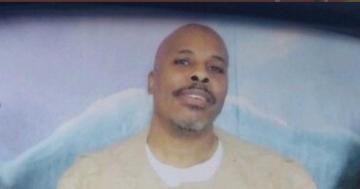
Black August is an important month of political education, but it should not solely be about the past.
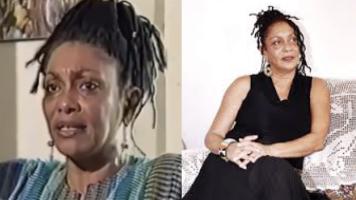
The late Nehanda Abiodun was an African American revolutionary who exemplified the movement to end national oppression and the criminaliza

For Black August, read William L. Patterson on racial genocide, the law, and the Martinsville Seven.
More Stories
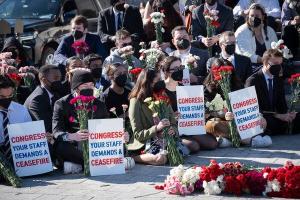 The nations that brag the most about "democracy" routinely ignore the will of their people. Support for Israel's war crimes in Gaza is but one example of this phenomenon.
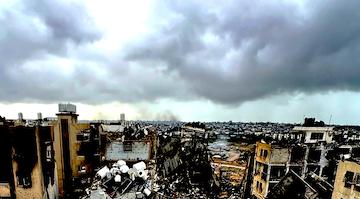 South African Pan-Africanist Victor Lungelo carefully maps the links between “Hitler’s Heirs:” Fascist South Africa and Zionist “Israel.”
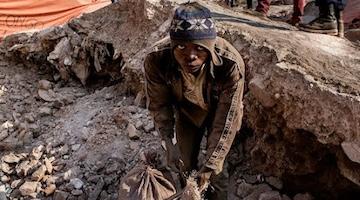 Ann Garrison speaks to Maurice Carney about the role of China in the Democratic Republic of the Congo’s mining industry.
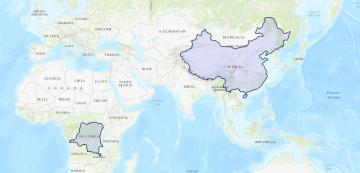 Dee Knight’s comments on a review by Ann Garrison in Black Agenda Report, of Cobalt Red: How the Blood of the Congo Powers Our Lives.
 Book Forum Editor, Roberto Sirvent, interviews Austin Cole about his organizing work and political writing.



