
Related Stories
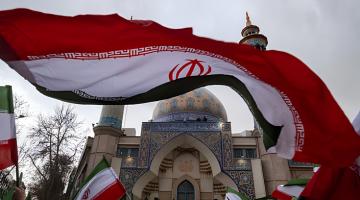
A People(s)-Centered Human Rights framework rejects the liberal abstraction that makes a false symmetry between Iranian authoritarianism and U.
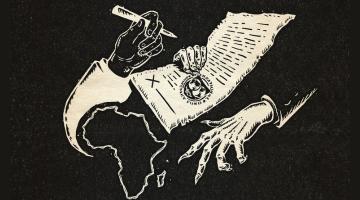
The IMF and World Bank are not subjects the corporate media cover in any real sense.
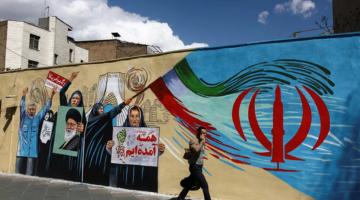
The Anti-Imperialist Scholars Collective (AISC) offers an analysis of the Ramadan War and the multiple fronts of Iranian anti- imperi
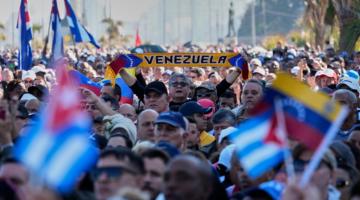
Siege, survival, and the dialectics of Venezuelan sovereignty.
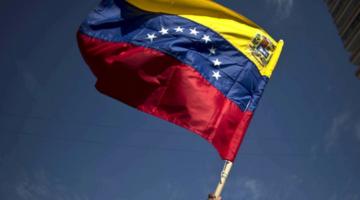
Venezuela is not Iran or Cuba, but those nations teach us that sovereignty is not given but is obtained through resistance.
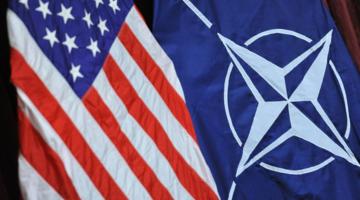
The U.S.-EU-NATO axis remains intact, and its commitment to militarism represents an existential threat to the world.
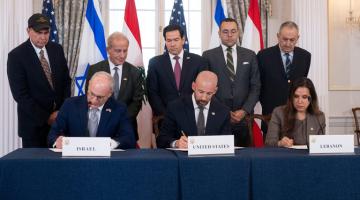
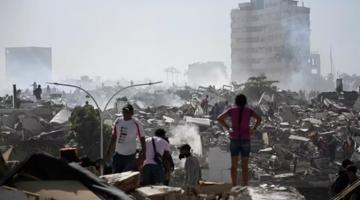

A single working mother could once take her child to a Yankees game for $40, but today that money would not even cover the online ser
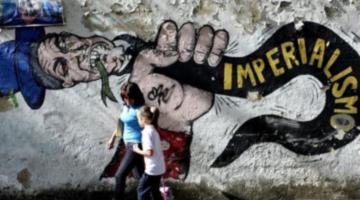
"We all know what lies behind the deafening silence that oppresses us.
More Stories
 Ol’ Red Jack Hirschman: He Weaponized Words “Poets are the unacknowledged legislators of the world.” —Percy Bysshe Shelly I. Death comes in 3s they say. So maybe 6
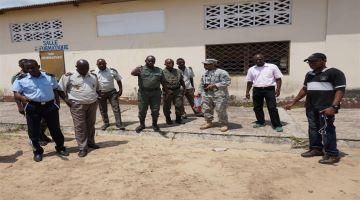 Its immeasurable mineral resources has made the Congo the victim of a long history of Western greed, plunder, and genocidal violence.
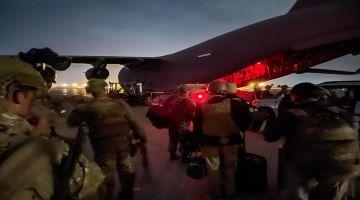 The U.S. departure from Afghanistan is an opportunity to end the corruption which made a 20-year long war a cash cow for the military industrial complex.
 The U.S. departure from Afghanistan is a victory against imperialism.
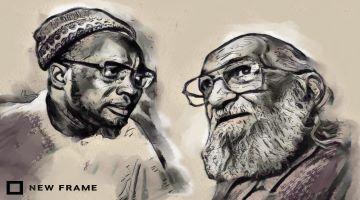 Frantz Fanon’s influence on Paulo Freire’s thought is well known, but the Brazilian educator also drew considerably from Amílcar Cabral, the revolutionary intellectual from Guinea-Bissau.



