
Related Stories

Even though the table’s tilted; the dice are loaded;and the cards are marked; even though light-fingered

On May 30, 2026, a Celebration of the Life and Legacy of Assata Shakur was held at the Riverside Church in New York City.

This piece was originally published in Black Agenda Report i
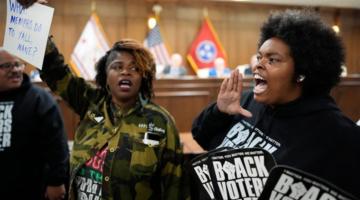
Tennessee just erased its only majority-Black voting district.
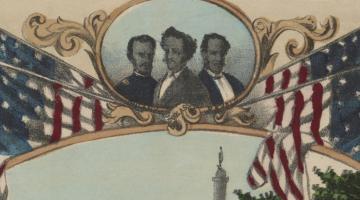
From the 1870 15th Amendment to the Voting Rights Act of 1965, voting rights for Black people have proven to be ephemeral.
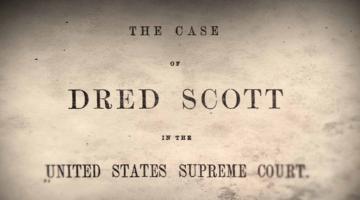
The Supreme Court decision in Louisiana v.

The conditions are ripe for growing Black political consciousness, but revolutionary movements must broaden their reach to all sectors and clas
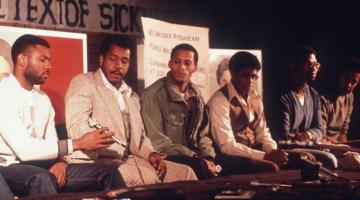
Black youth fed xenophobia instead of international solidarity become military pawns who risk their own lives and their people's libe
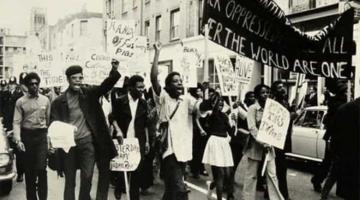
Africans in the U.S. must weaponize their position and sabotage imperial projects from the inside.
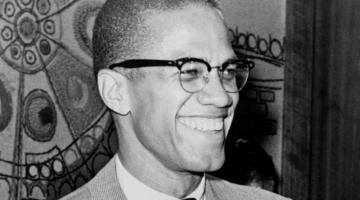
A top-notch legal team is delving into how the FBI and their local police partners collaborated in both the assassination of Malcolm X and Chic
More Stories
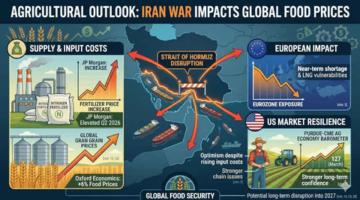 Faced with the blockade of vital oil routes, the extreme dependence of modern agriculture on fossil fuels foreshadows not only high prices but also a food shortage capable of generating global social…
 Free trade deals, water contracts, and military training programs are quietly binding one Latin American government after another to Tel Aviv.
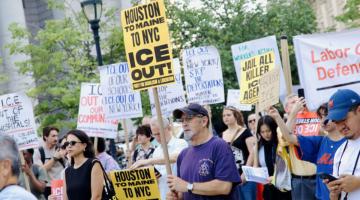 Recent killings at the hands of federal agents have fueled protests across the US, including a nationwide day of action on July 18.
 The human rights groups’ suit came as the Trump administration vowed to destroy the International Criminal Court entirely.
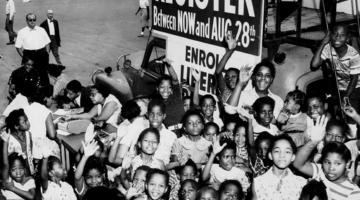 The fight for the ballot has always been tied to a wider war against Black political power, against workers, against the people paying for empire abroad and austerity at home.



