Click the flash player to listen to or the mic to download an audio in MP3 format.
Three years after creating the “worst humanitarian crisis” in Africa by encouraging Ethiopia to invade Somalia, the U.S. now unleashes the food weapon on starving people. “Forty million pounds of American-donated food is sitting in warehouses in Mombasa, Kenya, but U.S. officials won’t allow aid workers to deliver the food to the Somalis that need it.”
U.S. Starves Children in Somali War
A Black Agenda Radio commentary by Glen Ford
“The Americans are blatantly using food as a political weapon.”
The United States is waging a war of starvation against the people of Somalia. According to United Nations officials, Washington has interrupted the flow of desperately needed food to Somalia, on the grounds that some of it might find its way into the hands of the Shabab, the Islamists the U.S. calls “terrorists,” but who are winning the war for control of southern and central Somalia.
Forty million pounds of American-donated food is sitting in warehouses in Mombasa, Kenya, but U.S. officials won’t allow aid workers to deliver the food to the Somalis that need it. The Americans are blatantly using food as a political weapon, holding starving people hostage to U.S. political objectives – much like ancient armies did when they laid siege to cities to starve the inhabitants into surrender. It’s now going on three years since the Americans imposed a living hell on Somalia. In December 2006, the U.S. encouraged Ethiopia to invade Somalia to crush an Islamist government that had brought a modicum of peace to the country. The invasion created what the United Nations called the “worst humanitarian crisis in Africa” – worse than Darfur. This U.S.-made crisis was worsened by a devastating drought, leaving half the population totally dependent on outside food aid, the largest part of it from the United States. By locking the food up in Kenyan warehouses, “the U.S. government is holding the Somalia relief enterprise…hostage to its counterterrorism policy,” according to a recent issue of Foreign Policy magazine . “The Americans cannot win in any conventional military sense, so they resort to a war of starvation.”
The American puppet government in Somalia controls no more than a few neighborhoods of the capital city, Mogadishu, and its airport. Were it not for massive U.S. arms aid and the protection of Rwandan and Burundian soldiers, the U.S.-backed government would disintegrate. The Americans cannot win in any conventional military sense, so they resort to a war of starvation.
According to a New York Times article, Somali elders report that many children who had been kept alive by food relief are now dying because of the American aid cutoff. The situation is so dire, that only the U.S. food stores in Kenya can reach Somalia in time to stave off a disastrous famine. There are simply no other resources available.
The drought in East Africa has affected U.S. allies and enemies, alike. Ethiopia has made a plea on behalf of 23 million people threatened by drought in the region. And “the worst drought in ten years” has been exacerbated by a huge, artificial rise in food prices caused by speculators, most of them based in the United States and other rich countries.
Thus, Somalia's hungry are battered from three sides: by artificially high food prices, by drought, and by a deliberate U.S. war of starvation. The Obama Administration is determined to make the Somali people scream as punishment for resisting American domination. But starving babies cannot scream. They can't even cry.

 While the spirit of Thomas Sankara may be behind the recent coup in Burkina Faso, his vision remains an inspiration for everyone, everywhere, committed to anti-imperialism and third world autonomy.
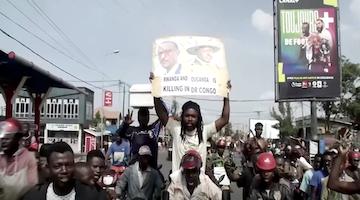 The US and EU are complicit in the continued Rwandan and Ugandan incursions into the Democratic Republic of Congo, as well as in their support of their TPLF proxies against Ethiopia.
 …
…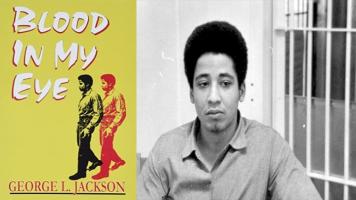 Roberto Sirvent and Dylan Rodriguez discuss the challenges of sustaining radical liberation movements.
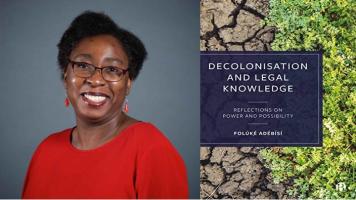 This week’s featured author is Foluke Adebisi. Adebisi is Associate Professor at the University of Bristol. Her book is Decolonisation and Legal Knowledge: Reflections on Power and Possibility.


