The Sixties and the decade's aftermath remains a fertile field of study. Researchers conclude that the end of Jim Crow medicine “provided the health care basis for southern Black advances on standardized testing in the 1980s.” But change also brought social disarray, massive school dropouts, and a national public policy of mass Black incarceration.
Two Studies: Drop-out or Push-out, and the Consequences of Jim Crow Medicine
A Black Agenda Radio commentary by Glen Ford
“The first wave of Black southern kids born and raised under integrated medicine did dramatically better on standardized tests than older children born into Jim Crow.”
You can’t wrap up the Black experience of the Sixties and put it in a box. Events that seemed like defeats at the time turned into victories, while what appeared as a glorious triumph might actually be a prelude to disastrous defeat. In many ways, the Sixties story is still unfolding. Two new studies shed additional light on those tumultuous times.
Three Chicago-based economists have concluded that integration of southern hospitals in the mid-Sixties provided the health care basis for southern Black advances on standardized testing in the 1980s. In the 1950s and ‘60s South, Black children died before age 5 at many times the rate of white children. Under Jim Crow, public medicine was anything but equal. Blacks were often made to wait until all whites had been treated before seeing a doctor, or were barred from hospitals entirely. Then came the 1964 Civil Rights Act, which outlawed segregation in hospitals, and the next year the new Medicare program forced hospitals to obey the law or lose federal funds. According to the Chicago study, the first wave of Black southern kids born and raised under integrated medicine did dramatically better on standardized tests than older children born into Jim Crow. Northern Black kids, who had long had access to integrated medical care, did not register such dramatic gains. The southern children made bigger leaps, because they had so much farther to jump. One of the researchers summed it up, this way: “If you were born in 1962 in the South and you are Black, you did much worse on [standardized tests] than if you were born in 1969 in the South and are Black.” But if you were born in the North, “it doesn’t matter when you were born.” So, from a health care perspective, one can call the Sixties a great success for a certain cohort of southern Black children. And there are myriad other clear victories.
“Blacks have been over-policed, over-arrested, over-charged and over-sentenced.”
But the world that the Sixties created was not necessarily a better one for all Black children. There followed the great white backlash, with its public policy of mass Black incarceration, and accelerated white flight to the suburbs, which some white people blame on the civil disturbances of the Sixties. And, closely related to both mass Black incarceration and increasing segregation and isolation of Blacks in urban centers, is the massive Black school dropout phenomenon.
A new Northeastern University study attempts to put a dollar amount on what dropouts cost society , and themselves. Every high school dropout costs the nation $292,000 in lost tax revenues, social services, and the cost of imprisoning those who get sucked into the system, according to the report. One out of every four Black dropouts is incarcerated or otherwise supervised by the state on any given day. Black female dropouts are nine times more likely to get pregnant than Black women that go to college. Black female-headed households proliferate because so many young Black men have dropped out and can't take care of families. The cost is high, but who is costing whom? Since the tail end of the Sixties, Blacks have been over-policed, over-arrested, over-charged and over-sentenced. We have been more pushed-out than dropped-out. So, rather than talk about what Black dropouts cost society, why not tally what white society is still costing us.

 Showdowns between the Trump administration and the federal judiciary will determine the fate of everyone in the country, including whether the government has the right to send citizens to jail in…
 The unlimited support western powers give to Israel is a continuation of colonial violence and white supremacy. The U.S. and the west wield a false moral superiority over…
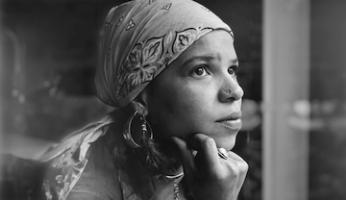 Ntozake Shange reminds us that whether we come from Haiti, Savannah, Luanda, or Palestine, we may not speak the same language, but “we fight the same old men.”
 I spoke to Eugene Puryear, who traveled to the November 2024 Conference in Solidarity with the Peoples of the Sahel.
 "Owl Poem (Nod to Amiri)" is the latest from BAR's Poet-in-Residence.


