Click the flash player below to listen to or the mic to download an mp3 copy of this BA Radio commentary.
When the Bush regime encouraged Ethiopia to invade Somalia in 2006, it may not have realized the fierce forces it was unleashing in the Horn of Africa. Now its Somali allies are on the verge of total defeat at the hands of Islamists. The U.S. claims the ever-shrinking regime in Mogadishu is besieged by foreign jihadis, but “most analysts maintain the fighters are overwhelmingly homegrown.”
U.S. Allies on the Ropes in Somalia
A Black Agenda Radio commentary by Glen Ford
“The American-supported Somali faction is now in desperate straights.”
Islamist forces in Somalia are demanding the surrender of the U.S.-backed regime that has been squeezed into a small pocket of the capital city, Mogadishu. The ultimatum, made on Sunday, demands the so-called government lay down its arms within five days . The mini-state refused , apparently counting on the arrival of reinforcements Burundi, in Central Africa. Another U.S. ally, Rwanda, guards Mogadishu airport under the job description of African Union peacekeepers. As the military situation deteriorated for Washington’s side in Somalia, Assistant Secretary of State for African Affairs Johnnie Carson – that’s right, Johnnie Carson, like the deceased comedian – was trying, without much evident success, to convince African heads of state to go along with the American military program in the Horn of Africa. The Americans encouraged Ethiopia to invade Somalia in late 2006, creating the worst humanitarian crisis on the continent, according to the United Nations. The Ethiopian occupation provoked fierce resistance among the Somalis, forcing the Ethiopians to pull back, but not out of the country. The American-supported Somali faction is now in such desperate straights, it last month literally begged neighboring countries to invade. That shameless abdication of national sovereignty appears to have only led to more desertions from the incredibly shrinking government’s ranks. “Carson was looking for more troops from a wider range of countries to save America’s allies from absolute defeat in Somalia.”
If Washington learned anything from militarily supporting the Ethiopian invasion, it was that Somalis hate being occupied by foreigners. Last week, at the summit meeting of the African Union, in Libya, the Obama administration’s Johnnie Carson appears to have discovered it was not a good time to put imperial pressure on African heads of state. Carson was looking for more troops from a wider range of countries to save America’s allies from absolute defeat in Somalia. All Carson got was a promise of 800 soldiers from tiny Burundi which, like its neighbor Rwanda, acts as a mercenary for the United States in Africa.
The American’s Somali allies claim Islamist forces are backed by 1,000 foreign jihadis, although most analysts maintain the fighters are overwhelmingly homegrown. But a regime that invites invasion by its neighbors, including the hated Ethiopian military, clearly has no credibility as a defender of the nation.
It would appear that the U.S. is holding a bad hand of cards, in Somalia. But superpowers always have options. One card that still plays well is President Obama, himself, whom the world wants to believe is a man of reason and diplomacy. The Obama administration is loudly declaring it would be “counterproductive” for Ethiopia to move back into Somalia in large numbers – but that Ethiopia has legitimate security concerns. What all this means is, Ethiopia will increase its presence in Somalia, while trying to keep a low profile, while Washington showers the continent with bribes to procure more foreign soldiers to shore up its dwindling friends in their little corner of Mogadishu.
BAR executive editor Glen Ford can be contacted at Glen.Ford@BlackAgendaReport.com.

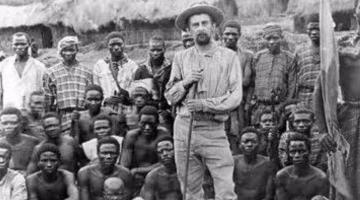 From the decline of the triangular trade to the rapacious extraction of mineral resources and labor exploitation, Africans have organized and revolted against western domination.
 While revolutionary Black organizations after the Panthers continued to support Palestine vocally, the realities of COINTELPRO and mass incarceration have had a profound impact on the organization…
 The Constitutional Council nullified a presidential decree and a law passed by parliament postponing the February 25 elections. The chief election body has ordered that elections be held “as soon as…
 This week we hear about the implications of the anti-imperialist struggle in the African nation Guinea-Bissau.
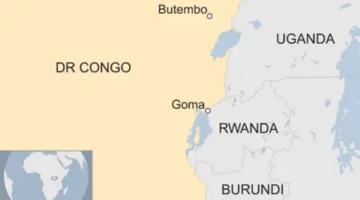 Abayomi Azikiwe joins us to discuss events in eastern Congo, the role of US backed nations such as Rwanda, and the history of exploitation and imperial control which caused the…


