Week of 9/8/14
Hundreds Arrested Demanding $15 and Hour and a Union
 Darius Cephas, a McDonald’s worker from Boston, was one of more than 500 fast food employees arrested during strike and civil disobedience actions in 150 cities, last week. “It shows how strong and how powerful our voices are; the fact that everybody is trying to find out how folks are raising children on $8 an hour,” said Cephas, an activist with the Fast Food Campaign. “We are here and we’re not going away they until they raise the pay and let us form a union without retaliation.”
Mass Incarceration is Built into the System
Events in Ferguson, Missouri, “have changed the way that people all across the country look at mass incarceration, police terror and the criminalization of Black youth,” said Carl Dix, of the Stop Mass Incarceration Network, which has declared October a “month of resistance.” Simply adding more Black cops to the equation won’t solve the problem “because we’re dealing with something that is built into the fabric of this capitalist system.”
Draconian Sentences Rooted in Racist White Perceptions of Crime
A report by The Sentencing Project concludes that white people support harsh penalties for crime because they associate criminality with Blacks. “There are many instances where policymakers politicize crime and race in order to further their campaigns,” said Nazgol Ghandnoosh, co-author of the report, titled “Race and Punishment: Racial Perceptions of Crime and Support for Punitive Policies.”
U.S. Political Prisoners Issue Passes UN Hurdle
A United Nations panel has instructed the United States to report, five years from now, on the status of its political prisoners, said international human rights advocate Efia Nwangaza, director of the Malcolm X Center for Self-Determination, in Greenville, South Carolina. The move is significant, since the U.S. denies it holds any political prisoners, said Nwangaza, who argued on behalf of Civil Rights and Cointelpro era prisoners in collaboration with the Jericho Movement. “We’ve been building a record which strengthens the case for release of political prisoners,” she said. “It also strengthens our call for formation of a Truth and Reconciliation Commission.”
Click here to download and listen to the show.
Black Agenda Radio on the Progressive Radio Network is hosted by Glen Ford and Nellie Bailey. A new edition of the program airs every Monday at 11:00am ET on PRN. Length: One hour.

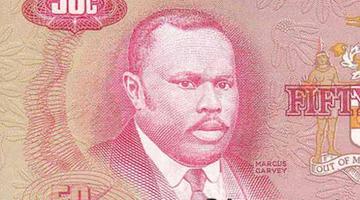 “This is not high-way robbery; it can be better called international burglary.”
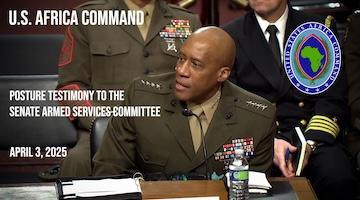 The U.S. increases pressure on Burkina Faso through military propaganda, as Africans rise to protect the developing project.
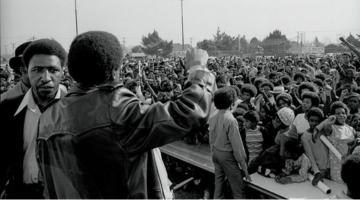 Black communities once turned righteous fury into systemic change, but today’s outrage over slights like Shedeur Sanders’ NFL draft slide rarely sparks organized resistance. The blueprint for…
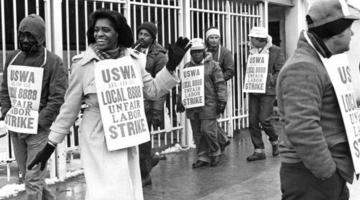 "March, March, March… (For Million Worker March and Brother Ray Quan)" is the latest from BAR's Poet-In-Residence.
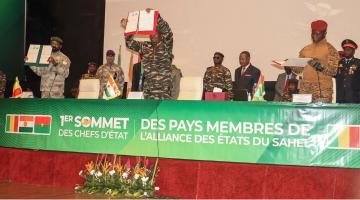 When the West slaps on tariffs, it’s 'economic security'—but when the Sahel rejects exploitative deals, it’s called a threat. From Cuba to Burkina Faso, countries have fought for self-sufficiency:…


