
Related Stories
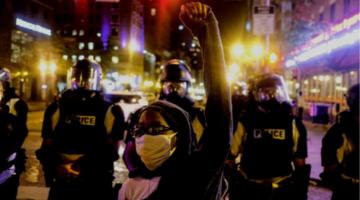
With the ritualistic murder of George Floyd by the occupation forces referred to as the police that roam the streets and barrios of the Black a
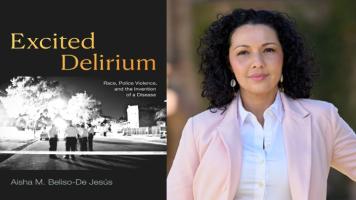
In this series, we ask acclaimed authors to answer five questions about their book.

The DC Crime Bill is a continuation of the assault on the Black working class, created to expand control over Black communities via surveillanc

In this series, we ask acclaimed authors to answer five questions about their book.
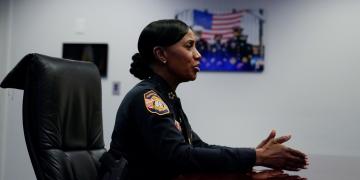
The chief of the Memphis, Tennessee police department took part in trainings in Israel.
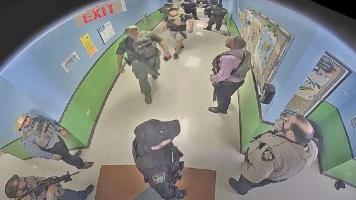
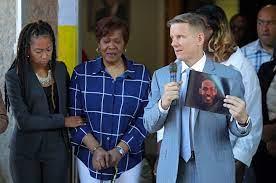
The number of bullets used to kill Jayland Walker have sparked an outcry, but police kill one Black person every day in this country.
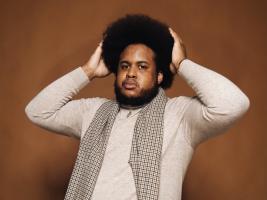
BAR Book Forum editor Roberto Sirvent and Julian Akil Rose discuss community organizing, Black Queer Feminism, the struggle for police and

Police in the United States kill an average of three people every day and one of those persons will be Black.
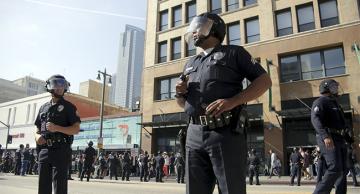
Surveillance is an integral part of policing in this country.
More Stories
 Data fail to show that bail restrictions or any other reform fueled the spike in violence during the pandemic – but facts don’t matter to the corporate press
 The US clearly intends to justify yet another armed intervention in Africa in order to reinstate its former proxies in Ethiopia
 Miami serves as a heightened case to explore such contradictions as I look closely at tensions between African Americans, white Cubans, and Black Cubans.
 In typical critical analyses and progressive multiracial mobilizations Black suffering is acknowledged while antiblackness is negated
 Historian Elizabeth Hinton’s book reveals that, in the late sixties and early seventies, there were hundreds of local rebellions against white violence and racial inequality.



