A Black Agenda Radio commentary by BAR executive editor Glen Ford
After almost two decades of killing Congolese with impunity, Rwandan President Paul Kagame, one of Washington’s favorite warlords, is threatening the United Nations and his neighbor to the east, Tanzania. Kagame told Tanzania’s president: “I will wait for you at the right place and I will hit you!” A Tanzanian official responded that Kagame “will be whipped like a small boy.”
Rwandan Warlord Kagame Threatens Neighbors and UN Force
A Black Agenda Radio commentary by BAR executive editor Glen Ford
“Kagame must give up his delusional dreams of invading Tanzania.”
Paul Kagame, the minority Tutsi warlord of Rwanda, is in a dangerous mood. For 17 years, the United States armed Kagame’s military to the teeth as Rwanda and another U.S. ally, Uganda, plundered and destabilized the Democratic Republic of Congo, killing millions Intervention Brigade ultimatum to disarm capture Goma
Such a conflict would constitute an escalation in the central African war. The UN brigade is made up of soldiers from South Africa, Malawi and Tanzania. Back in April, the M23 rebels issued a warning to Tanzania Kagame said
“Kagame’s regime is inherently warlike and unstable.”
Tanzanian President Kitwete did not respond in kind, but one of his foreign ministry officials did, on July 12, saying Kagame “must give up his delusional dreams of invading Tanzania.” If Kagame persists, said
Tanzania, like the Democratic Republic of Congo, shares a border with Rwanda and with Washington’s other mercenary client state, Uganda. The threat of invasion must be taken seriously. However, it is more like that Kagame will be tempted to take out his aggressions on the United Nations combat brigade – one-third of which is Tanzanian.
The United States believes it can control the little African Frankensteins it has created, like Paul Kagame. But Kagame’s regime is inherently warlike and unstable, because it is a dictatorship of an ethnic minority, the Tutsis, who make up no more than 15 percent of Rwanda’s population. It remains in power through sheer force and terror, a lawless regime that fears its own people and covets its neighbors’ resources. The U.S. may soon decide that Kagame is more trouble to the imperial enterprise than he’s worth. One thing is sure: Kagame is one criminal who won’t go out quietly.
For Black Agenda Radio, I’m Glen Ford. On the web, go to BlackAgendaReport.com.
BAR executive editor Glen Ford can be contacted at Glen.Ford@BlackAgendaReport.com .

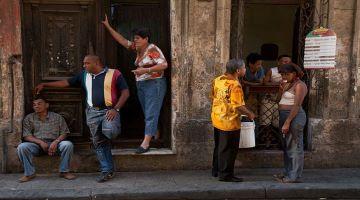 The United States has cut off channels for sending remittances to the island, leaving families who rely on the help – especially during the pandemic – without desperately needed resources.
 Economic recovery is uneven, with Black workers least likely to be employed in the wake of the covid pandemic.
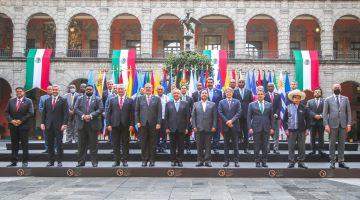 The heads of state of the regional block agreed on a 44-point declaration which addressed the strategy against COVID-19 and climate change and took a stand against the blockade on Cuba.
 The memorial gathering for Glen Ford was held on Saturday, September 18, 2021 in New York City at the Riverside Church.
 Memories of the last 20 years are rarely focused on increased state violence and repression in the post-9/11 world. The damage has largely been forgotten.


