A Black Agenda Radio Commentary by BAR manging editor Bruce A. Dixon
It has been more than a generation since the historic prison uprising at New York's Attica penitentiary. Since then, both much and little have changed, not all for the better. If there is one lasting lesson of the Attica uprising for our day, what is it?
Remembering Attica, 40 Years Later
A Black Agenda Radio Commentary by BAR manging editor Bruce A. Dixon
“Correctional officers and New York state police poured a hail of gunfire into the prison, killing at least 39 people...”
Forty years ago this week, inmates in upstate New York's Attica Prison took their lives and destinies into their own hands. The prison, designed for 1200 inmates at the time housed nearly double that number, and inmates were limited to one shower per week and one roll of toilet paper per month. Arbitrary beatings and religious discrimination against Muslim inmates were common.
“We are men,” an inmate spokesperson declared, “and not beasts to be driven as such.”
Their demands were the mostly unremarkable stuff every human deserves --- decent and healthful food, and the ability to observe the dietary restrictions of some of their religions. They demanded warm clothing and bedding for the cold upstate winters, and serious efforts to exterminate their vermin-infested quarters.. They wanted books, self-improvement and educational programs to better prepare them to make a difference on the outside. They demanded medical care, transparency and justice in parole and prison administrative decisions, an end to religious and racial discrimination inside the prison, and the replacement of the prison warden.
They requested the presence of Black Panther Party chairman Bobby Seale and the Nation of Islam's Louis Farrakhan. Crack movement attorneys from around the country also flew in to upstate New York. It was 1971, and the whole world was watching. For four days, they negotiated with the office of New York governor Nelson Rockerfeller until the governor, eyeing a possible 1972 Republican presidential or vice-presidential nomination, shut the talks down and ordered a murderous assault on the prison.
Correctional officers and New York state police poured a hail of gunfire into the prison, killing at least 39 people, including ten correctional officers and civilian prison employees. After the re-taking of the prison, engaged in a savage orgy of reprisal beatings of surviving inmates, and dozens of murder charges were filed against the surviving inmates. Juries eventually acquitted all the inmates of murder charges, and although no police officers or state officials were ever indicted, the state eventually paid out tens of millions in settlements to surviving inmates and murdered correctional officers and their families.
“We've come a long way since Attica, and not all of it the way we'd like. ”
Forty years on, both much and little have changed. Muslims in US prisons still experience vicious discrimination. Inmates nationwide are still denied adequate food and medical care, and the secrecy of prison administration continues to license arbitrary brutality on the part of correctional officers. The lowly corporal convicted of torture at Abu Ghareb was in civilian life a Pennsylvania prison guard.
But since the days of Attica, the US prison population has increased more than sixfold. We have become the world's first prison state, with nearly 70% of prisoners coming from the nation's brown and black one quarter. Imprisonment has become more and more the fate of the lowest income blacks as well. A college educated black man today stands one third the chance of incarceration he did in 1970, while today's black male high school dropout is seven times more likely to be jailed than his dropout uncle in 1970.
We've come a long way since Attica, and not all of it the way we'd like. The lasting lessons of Attica are that little will chance until current and former inmates, many times more numerous today than in 1971, again take their destinies into their own hands, declare themselves men, not beasts, and organize themselves and their communities in a political fight to roll back the prison state in their lifetimes.
For Black Agend Radio, I'm Bruce Dixon. Find us on the web at www.blackagendareport.com .
Bruce A. Dixon is managing editor at Black Agenda Report, and based in Marietta GA where he is on the state committee of the Georgie Green party. He canbe reached at bruce.dixon@blackagendareport.com

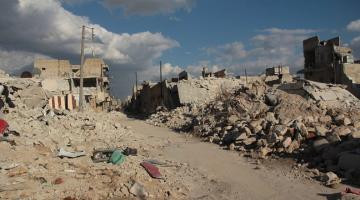 The United States has escalated its proxy war in Syria with the help of jihadist allies and continues destabilizing the entire West Asia region.
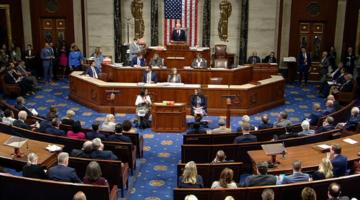 Proposed legislation uses the politicized weaponization of governmental power to stymie free speech and actively stamp out pro-Palestinian voices.
 This week, we discuss the military conflict in Sudan between warring factions. First, we discuss the International Criminal Court, which recently issued arrest warrants for Israeli officials.
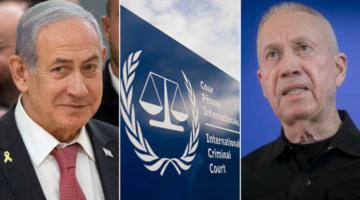 Ali Abunimah joins us from Chicago to discuss the International Criminal Court issuing arrest warrants for Israeli Prime Minister Benjamin Netanyahu, former Defense Minister Yoav Gallant and Hamas…
 Abayomi Azikiwe provides analysis on the military conflict in the Sudan which has so far been unresolved despite attempts at peace making.


