Like all imperialists, the United States seeks to dismember
those nations it cannot control. The idea is to divide the country into
bite-sized pieces, some of which can be dominated by groups that are more
friendly to imperial interests than the population as a whole. The British
pulled off this trick by separating oil-rich Kuwait from Iraq, after World
War One. The Americans are still toying with the idea of cutting the rest of
Iraq up into manageable pieces, the better to extract oil deals from the
smaller entities. Now, with much of Latin America floating out of the U.S.
orbit, secessionist
"movements" are suddenly popping up in the three most independent nations
of mainland South America: Venezuela, Ecuador and Bolivia.
It is no coincidence that the secessionists are all centered
in these Andean nations' oil and natural gas rich provinces, or that the
organizers are rich businessmen with close ties to the United States, or that
the secessionists are all emerging simultaneously, or that it just happens the
United States this month reactivated its old Fourth
Fleet, which used to enforce American gunboat diplomacy before being shut
down 60 years ago.
Back when Teddy Roosevelt was president at the turn of the
20th Century, the U.S. was having difficulties squeezing a bargain
basement deal out of Colombia, which controlled the Isthmus of Panama, through
which the Americans wanted to build a canal. No problem. President Roosevelt
simply encouraged locals in the region to declare independence, call themselves
the Republic of Panama, and then invite in the American Fourth Fleet. All it
took was one gunboat to keep the tiny Colombian Navy from reclaiming its
territory long enough for the Americans to send in troops. A new mini-"nation"
was born - actually, a new colony of the United States - at the expense of the
sovereignty of Colombia. Explaining later how he got access to the route for
the Panama Canal, Roosevelt
said, simply: "I took it."
"The Americans can stir things up sufficiently to create
the threat of civil war."
Venezuela, Ecuador and Bolivia aren't about to let some fat,
unpatriotic businessmen steal the most valuable portions of their nations in
order to cut separate deals with Washington, and the U.S. doesn't have the
power, credibility or moral authority to come to the aid of its opportunistic
friends. But the Americans can stir things up sufficiently to create the threat
of civil war, which can be the cruelest punishment inflicted on any nation.
Civil wars, like no others, unleash savageries that often do not heal for
generations. Colombia is still in a civil war that by some reckoning began in
1948. No wonder Colombia has the world's highest murder rate - its society has
been destroyed over and over again by civil war, never having a chance to
recover.
The United States doesn't care what disasters might result
from encouraging secessionists in Venezuela, Ecuador and Bolivia. For
Washington, it's just another superpower move on the global chessboard. But Washington shouldn't be surprised to
wake up one day and find that no one in Latin America wants anything to do with
the Yankees, who toy with the fates of nations as if they were playthings. For
Black Agenda Radio, I'm Glen Ford.
BAR executive editor Glen Ford can be contacted
at Glen.Ford@BlackAgendaReport.com.

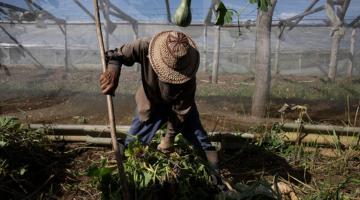 The Trump administration has already cut off Cuba’s access to oil. Now it’s attempting to starve the Cuban people, targeting the country’s capacity to grow, process, and import food — unless it buys…
 Fergie Chambers is an American philanthropist who was arrested on July 10 in Ibiza, Spain, by order of the Trump Administration.
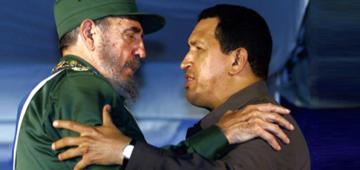 Cuba's leadership has chosen resistance over subordination as the blockade tightens, but Venezuela's sovereignty is being stripped away.
 In this week’s segment, we hear about the crisis in northwest Indiana, including the city of Gary, where some residents have gone more than two weeks without power after a storm. As in the rest of…
 Our guest is Sam Husseini. He’s a veteran independent journalist and senior analyst at the Institute for Public Accuracy. He is now running for Congress in Maryland’s 4th district as a Green Party…


