We respectfully request that our readers sign the petition at the end of the article which will be presented to the parole board prior to the hearing.
Forty years is a long time, not just in the lives of individual men and women, but in the life of a people and of a nation. It's been a long time indeed since 1969. Today those times are exactly as remote from us as the Great Depression was to people living in 1969. 1969 is one quarter of the way back to the Civil War. Relatively few who were adults then remain with us today.
Romaine “Chip” Fitzgerald is still around. A former member of the Southern California chapter of the Black Panther Party, Fitzgerald has been imprisoned since 1969, when he was convicted of murder and attempted murder at the age of 18. Fitzgerald was sentenced to death. But in the enlightened spirit of the early 1970s, the state of California renounced the death penalty, and commuted all death sentences to life imprisonment. Most surviving inmates who were on California's 1972 death row have since been freed.
“Almost forty years later there is no doubt that Chip Fitzgerald presents no threat to society or to those around him.”
Released from California's youth prison system about 1965 or 66, Fitzgerald resolved to dedicate his life to the service of his people. Like many other young people of that era, he came to see the Black Panther Party as part of the answer to hunger, to police brutality, to educational and health care systems that failed to meet human needs. Fitzgerald joined the southern California chapter of the Black Panther Party, and selflessly plunged himself into its routine of study and service, feeding hungry children each morning, tutoring, selling papers and attending classes. It's now well known that government officials stepped far beyond the boundaries of the law in order to target, to frame and even to murder members and leaders of the Black Panther Party and other organizations deemed a threat to the established order.
Now, nearly forty years later there is no doubt that Chip Fitzgerald presents no threat to society or to those around him. He has expressed repeated, sincere and heartfelt contrition. He has asked forgiveness for the acts that led to his imprisonment. Fitzgerald has been an exemplary prisoner by any yardstick, earning no complaints from his keepers, counseling other inmates against bitterness and violence, and advising them to take advantage of whatever educational opportunities are present. In recent years he has suffered a stroke, and for a time lost control over much of one side of his body. During his recovery he walked with a cane. Chip's friends have secured him a job offer with a labor union, in which his spirit of unselfish dedication to the needs of others can be put to good use.
On July 2, 2008 a parole board in California will consider Chip Fitzgerald's eligibility for release.
“Chip is a modest kind of guy,” Bruce Richard, another former Southern California member of the Black Panther Party told BAR. “He hasn't tried to assume any kind of public posture like some have. He's not pointing to himself saying 'What about me? I'm next!' He's not that kind of guy. But it really IS time. 39, almost 40 years really is enough. He's changed. The world has changed. We've all changed. It's time for Chip to come out and use whatever time he has left to help make this a better world.”
BAR wholeheartedly agrees, and requests that readers sign the online petition at www.freechip.org, and linked to at the bottom of this article, which will be presented to the parole board prior to its July 2 hearing.
39 years really is enough. It's time to release Chip Fitzgerald. For Black Agenda Radio, I'm Bruce Dixon.

Bruce Dixon is managing editor at Black Agenda Report, and can be reached at bruce.dixon(at)blackagendareport.com

 “Neither disaster, catastrophe, nor calamity can take precedence … over the color-caste system.”
 The UN Group of Experts on DRC reports the obvious, that Rwandan President Paul Kagame intends to annex DRC’s Kivu Provinces.
 Zohran Mamdani’s victory rattled NYC’s political elite. But to win Black voters and defeat the Democrat machine, he must reject Al Sharpton’s co-optation and align with radical Black organizers.
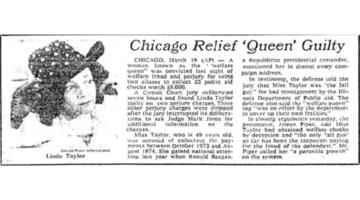 America’s ruling class keeps inventing new boogeymen to disguise its endless war on workers, while wealth flows upward and capitalism’s collapse accelerates.
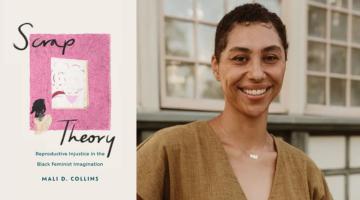 In this series, we ask acclaimed authors to answer five questions about their book. This week’s featured author is Mali Collins. Collins is Assistant Professor of African American and African…


