 by Doug Miller
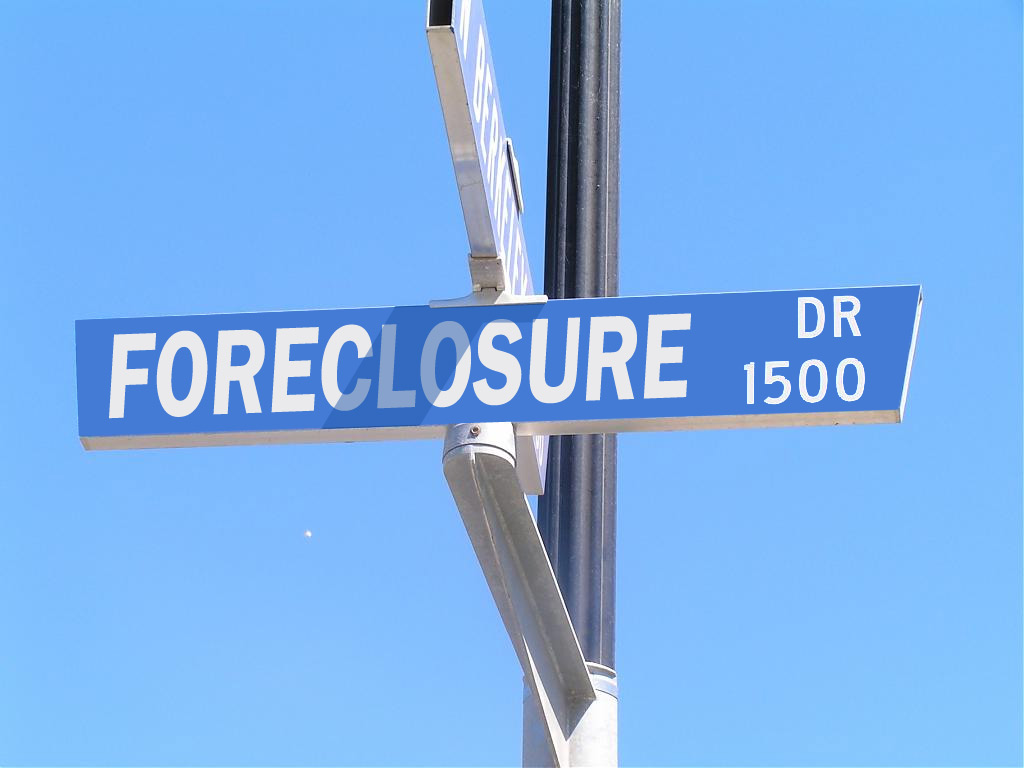
The data are finally starting to come in, and the numbers are horrifying. The Great Recession inflicted wounds on Black America that will cripple communities for years to come. Depreciation of foreclosure-devastated neighborhoods will cause between $193 billion and $180 billion in wealth to be “drained from black and Latino communities.”
Foreclosure Storm: Minorities Swept Up in Greater Numbers
by Doug Miller
This article previously appeared in DefendersOnLine, a publication of the NAACP Legal Defense and Educational Fund.
“Eleven percent of African-American and 17 percent of Latino homeowners already have lost or are in imminent danger of losing their homes to foreclosure.”
A tornado of foreclosures spawned by the subprime mortgage collapse has disproportionately flattened black and Hispanic homeowners, according to new research by the Center for Responsible Lending (CRL), sucking hundreds of billions of dollars in wealth from communities of color.
The report, Foreclosures by Race and Ethnicity: The Demographics of a Crisis [1], estimates that 11 percent of African-American and 17 percent of Latino homeowners already have lost or are in imminent danger of losing their homes to foreclosure. Among recent borrowers, the research has disclosed, nearly 8 percent of both blacks and Latinos have lost their homes compared to 4.5 percent of whites.
Using government and industry data to estimate the number of foreclosures in recent years, as well as their impact by race and ethnicity, the CRL study estimates that 2.5 million foreclosures were completed from the beginning of 2007 through the end of 2009. It also projects that another 5.7 million borrowers are at risk of having their mortgages foreclosed.
Citing analyses by independent financial services organizations like Credit Suisse and Goldman Sachs, the center estimates that somewhere between 10 and 13 million foreclosures will have occurred by the time the housing storm has finally passed.
[2]Wade Henderson, president and CEO of the Leadership Conference on Civil and Human Rights, said the report describes “the devastating impact that the casino culture of Wall Street and the mortgage industry is having on communities of color. These hardworking families have borne the brunt of an anything-goes regulatory system that has turned a blind eye toward predatory lending and the needs of vulnerable consumers who may never recover the wealth they have lost.”
“Somewhere between 10 and 13 million foreclosures will have occurred by the time the housing storm has finally passed.”
Debbie Bocian, a senior researcher behind the CRL study, confirmed that while the majority of families who already have lost homes in the foreclosure onslaught – about 56 percent – are non-Hispanic and white, “given how many mortgages African Americans and Latinos have taken out relative to mortgages of whites over the same time period, their share of foreclosure is higher.”
In terms of borrowers who have not yet suffered foreclosure but are at imminent risk, Bocian said figures available from the Mortgage Bankers Association (MBA) covering about 85 percent of the market were statistically scaled to reflect the entirety of the population. The results show that the percentages of African-American and Latino borrowers likely to have their mortgages foreclosed, 21.6 and 21.4 percent respectively, are greater than the estimated percentages of non-Hispanic white borrowers at risk, which came in at 14.8 percent.
The MBA did not respond to an inquiry about the validity of the claim.
The report goes on to say that as the foreclosure crisis continues to threaten the financial stability of families across the country, “it will be particularly devastating to African-American and Latino families, who already lag their white counterparts in terms of income, wealth and educational attainment.”
The CRL study estimates that between 2009 and 2012, a respective $193 billion and $180 billion in spillover losses – indirect losses in wealth resulting from depreciation of properties in neighborhoods particularly hard hit by foreclosures – will have been drained from black and Latino communities.
Doug Miller is a writer living in Westchester County, New York.

 Trump's attacks on immigrants have focused on Haitians. Temporary Protected Status (TPS) may end for 350,000 people, and even those scheduled to be sworn in as citizens are now being denied. Abraham…
 The Democratic Party is useful only to the oligarch class, who give them their marching orders. Doing anything that serves the people is never on their agenda. They will not address the ICE…
 “We forget easily in America. We have forgotten the story of the Palmer Raids.”
 The US invaded Venezuela and kidnapped Nicólas Maduro to defend the dominance of the US dollar. Venezuela had been selling oil to China in China’s currency, the yuan.
 "For an ICU VA Nurse" is the latest from BAR's Poet-in-Residence.


