
More Stories
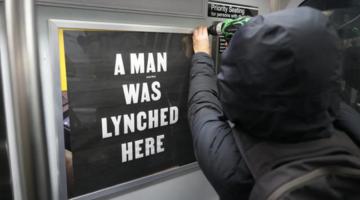 Jordan Neely's killing and the subsequent acquittal of Daniel Penny can be seen as part of the reactionary existential panic felt by whites whenever the country experiences growing economic…
 "History’s Hired US" is the latest from BAR's Poet-in-Residence.
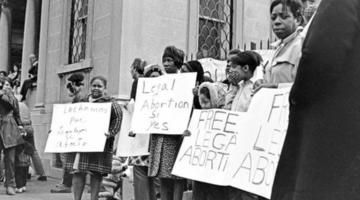 Black women, already leading in maternal mortality rates, are now at even greater risk of complications and death as more states impose stricter abortion laws.
 The US regime change campaign against Syria began after Barack Obama succeeded in destroying the Libyan state. All of his successors followed the same playbook.
 Regardless of conditions, Palestinian people have agency of thought and will not see themselves through the prism of colonization.



